

Exploring Textures and Patterns
When it comes to design, textures and patterns play a crucial role in creating visual interest and adding depth to any project. Whether you are a seasoned designer or just starting, understanding how to effectively utilize textures and patterns can elevate your work to the next level.
The Power of Textures
Textures can evoke emotions, create focal points, and bring a sense of realism to a design. From rough and gritty textures to smooth and sleek ones, each texture tells a unique story and adds a tactile quality to your work.
Types of Textures
- Wood Grain Texture
- Concrete Texture
- Fabric Texture
- Leather Texture
- Metallic Texture
Playing with Patterns
Patterns are repetitive designs that can add rhythm and movement to your projects. They come in various forms, from geometric patterns to organic motifs, allowing you to create a visual language that speaks to your audience.
Popular Patterns
- Stripes
- Chevron
- Floral
- Herringbone
- Polka Dots
Texture Stories
Texture stories are narratives created through the interplay of textures and patterns. By combining different textures with complementary patterns, you can craft a visual story that captivates the viewer and conveys a specific mood or theme.
Creating Texture Stories
To create a compelling texture story, consider the following:
- Choose a theme or concept for your story.
- Select textures and patterns that align with your theme.
- Experiment with layering textures to add depth.
- Use patterns strategically to guide the viewer's eye.
- Ensure cohesion and balance in your design.
By mastering the art of textures and patterns, you can transform your designs into rich, immersive experiences that resonate with your audience.
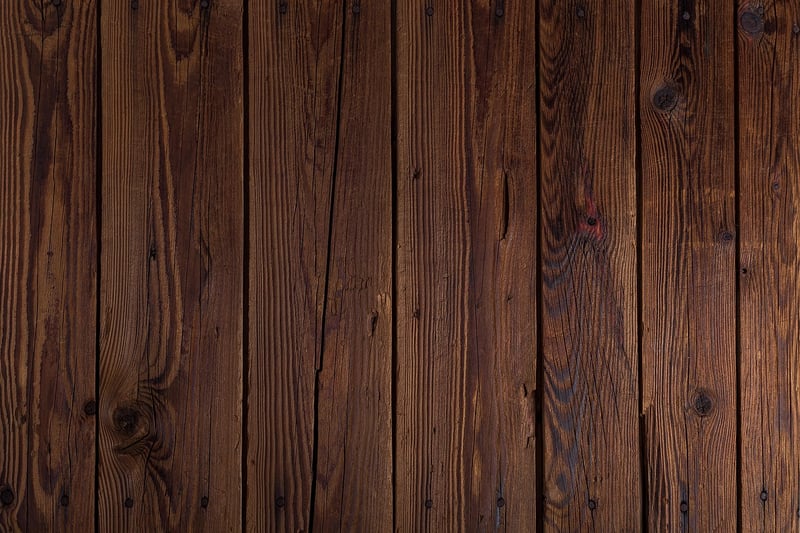
Image Source: Pixabay